The Klamas surname is said to have originated in the early eighteenth century in the Gulf of Finland region, on the Baltic Sea. During the Great Northern War (1700–1721), a conflict between Sweden and a coalition formed by Russia, Denmark-Norway, Saxony and Poland-Lithuania, the family whose surname would later be recorded in the German-speaking parishes of Estonia — in the Germanised forms Glamarsback and Clamasback, later fixed as Klamaspak and, among some descendants, simplified to Klamas — lived on the Glamars farm.
The farm was located in Massby, in the parish of Sipoo, present-day Finland, then an integral part of the Kingdom of Sweden. Swedish-speaking Finns have inhabited the region since the Middle Ages. By 1545 there were already fifteen farms in Massby, among them the Glamars farm. Massby and neighbouring Söderkulla belonged, from the sixteenth to the eighteenth centuries, to the noble Ekelöf family, admitted to the Swedish nobility (Riddarhuset, no. 217) — a fact that, as will be seen, helps explain the family memory of a connection to Massby. Sipoo remained predominantly Swedish-speaking for centuries and still retains that cultural heritage today.
According to tradition — preserved both among the descendants and by the Jõelähtme Municipal Council in Estonia, which records it as part of the memory of Rammu island — the Swedish authorities are said to have punished the family for hosting and feeding Russian troops during the war. It is reported that, around 1710, only the young Klaus Klamaspak survived, grandson of the farm's owner, who crossed the Gulf of Finland in a small sailboat to the island of Prangli, in present-day Estonia.
The fact that the story circulates locally, and not only within the family, shows that it is an old and shared tradition. It should nonetheless be recorded as tradition: no contemporary document confirms it, and the oldest known parish record (1725) says nothing about an execution. The versions themselves differ in detail — for instance, whether Klaus's grandmother survived and fled with him, as the family tradition holds, or whether only the grandson escaped, as the municipality records it.
Klaus was raised by his grandmother. According to the records of the Jõelähtme parish, in 1722 he was working for Miku Hansu on Prangli. In 1728 he married Triinu in Jõesuu, and at that time he was still working for the same employer. In the birth records of his children Mari, in 1729, and Jaagu, in 1731, Klaus is recorded as the owner of the Idlase farm on Prangli. In 1736 his grandmother died in a fire on the property, at the age of 70.
As for the island of Rammu, it was long believed that Klaus's arrival took place in 1737. The earliest documentary reference, however, is considerably older: it dates from 1725 and already places him on Rammu for about ten years — that is, since around 1715. The Prangli period (Idlase farm, until the early 1730s) and the Rammu period, in fact, overlap, and the exact sequence is still debated by researchers. The record is a note by the Jõelähtme pastor, the Baltic German H. C. Wrede, author of the community's oldest parish book:
«On the island of Rammu, belonging to Anja Manor, Klaus has lived for about ten years and Jaak for eight. They came from Finland and are now members of our parish.» — Jõelähtme parish record, 1725 (pastor H. C. Wrede)
Klaus wished to become a fisherman and, since he could not set the fishing nets alone, he called on his friend Jaak Lambot, also from the Sipoo region. Both started families on the Estonian coast. Klaus and Triinu had four daughters and seven sons — of the seven men, five left known descendants. Klaus died in 1757, aged 63; Jaak had died earlier, in 1750, drowned along with a son when a storm capsized his boat on the way to Rammu.
The Klamas and Lambot families prospered. Unlike most mainland inhabitants, they were free, not serfs — a rare distinction at a time when the entire coastal population was subject to the serfdom of Anija Manor, property of the Baltic German noble family Staël von Holstein. In the church books, their names were preceded by the word «Frei» (or the Estonian variant «Pri», free) until the abolition of serfdom. The status had concrete effects: when a free daughter married a serf, the children were born serfs; but when a serf woman married a Klamas or a Lambot, she and her children became free. About twenty farms were established on the island. All the timber needed for heating and building had to be bought on the mainland, as did part of the provisions and the hay for the animals during winter. In exchange, the islanders traded fish and other sea products.
Life was not easy. Drinking water was limited, and some families eventually migrated to the neighbouring islands of Aks and Koipse. Even so, they learned to live under these conditions and, over the generations, expanded to other islands in the region. It was common for them to travel long distances to trade their goods — and these same sea routes, common to the gulf's islets, also served smuggling, first of salt and later of spirits, an activity that would mark the local economy for generations. It was through these connections that Klaus's descendants established contacts with various regions of the Baltic Sea.
A curious episode took place in 1911. Descendants of the Klamas family living on the islands of Aks and Koipse approached the Finnish authorities claiming rights to the old Massby property in Sipoo — precisely the manor that had belonged to the noble Ekelöf family. The request reached the Diet of Finland, whose secretary, Ivar Ahava, replied to them by letter on 12 September 1911; the claim was ultimately rejected on legal grounds. The episode shows that, nearly two hundred years after Klaus's arrival on the islands of Estonia, the memory of a connection to Massby and the Sipoo region still lived on among his descendants.
The Estonian researcher Mati Laane also raises the hypothesis that Klaus was connected to the family of Erik Rosendal, a magistrate in the Åland Islands before the war. One detail lends weight to the conjecture: Rosendal's youngest son, Johan, was born in 1694 — exactly the calculated birth year for Klaus. According to this reading, part of the family traditions preserved over the centuries might represent a distant memory of real events later transformed into legend. The hypothesis, however, has not yet been documentarily proven — and no record links Klaus to the Ekelöf line, whose male line, incidentally, had already died out before 1710.
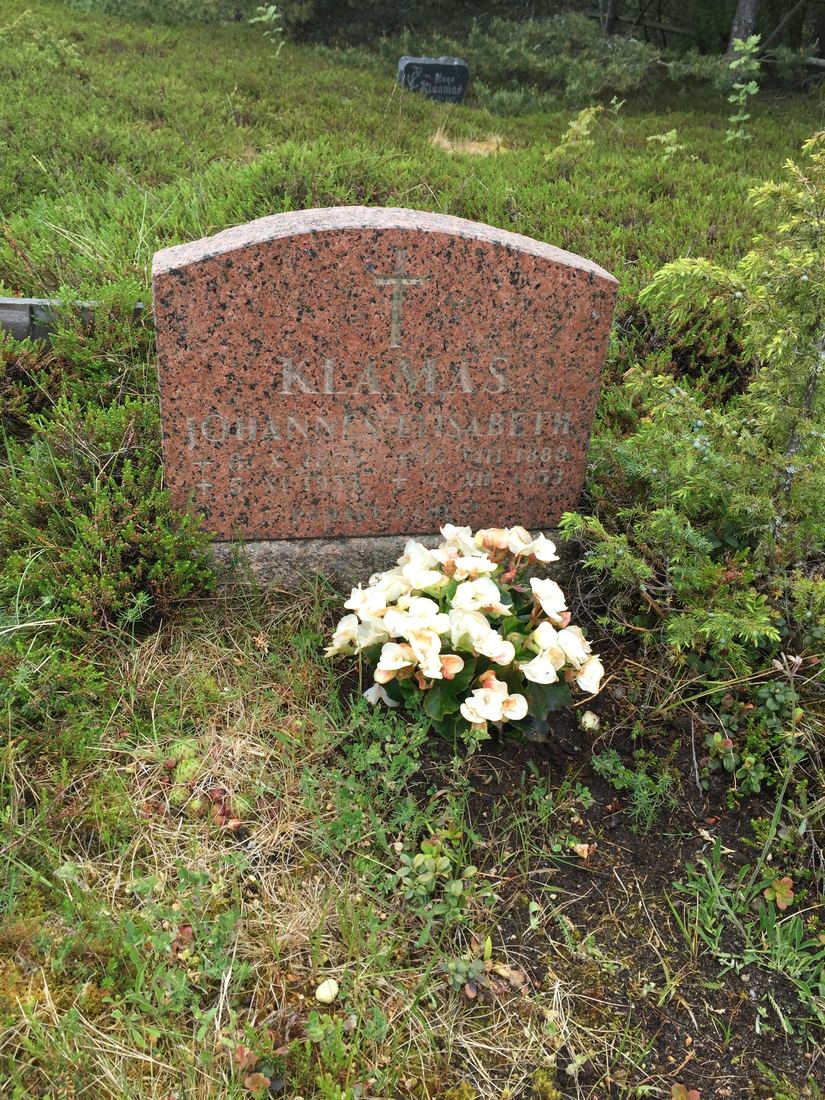
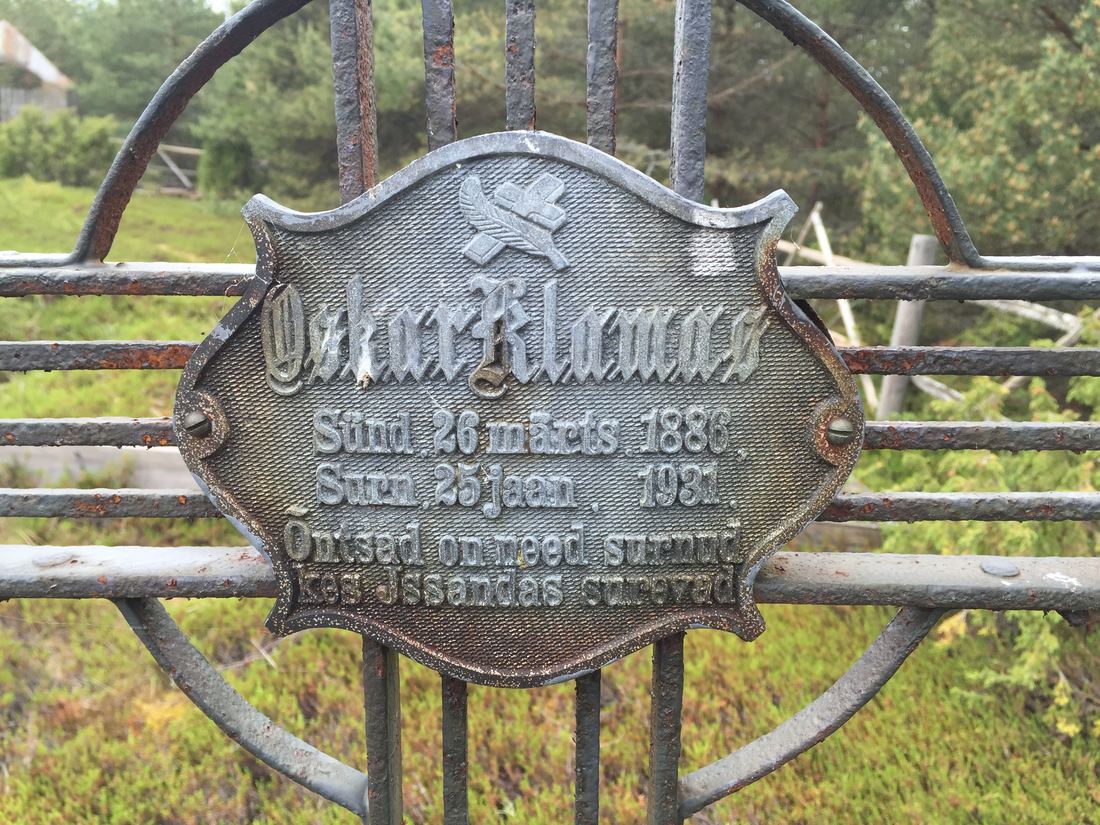
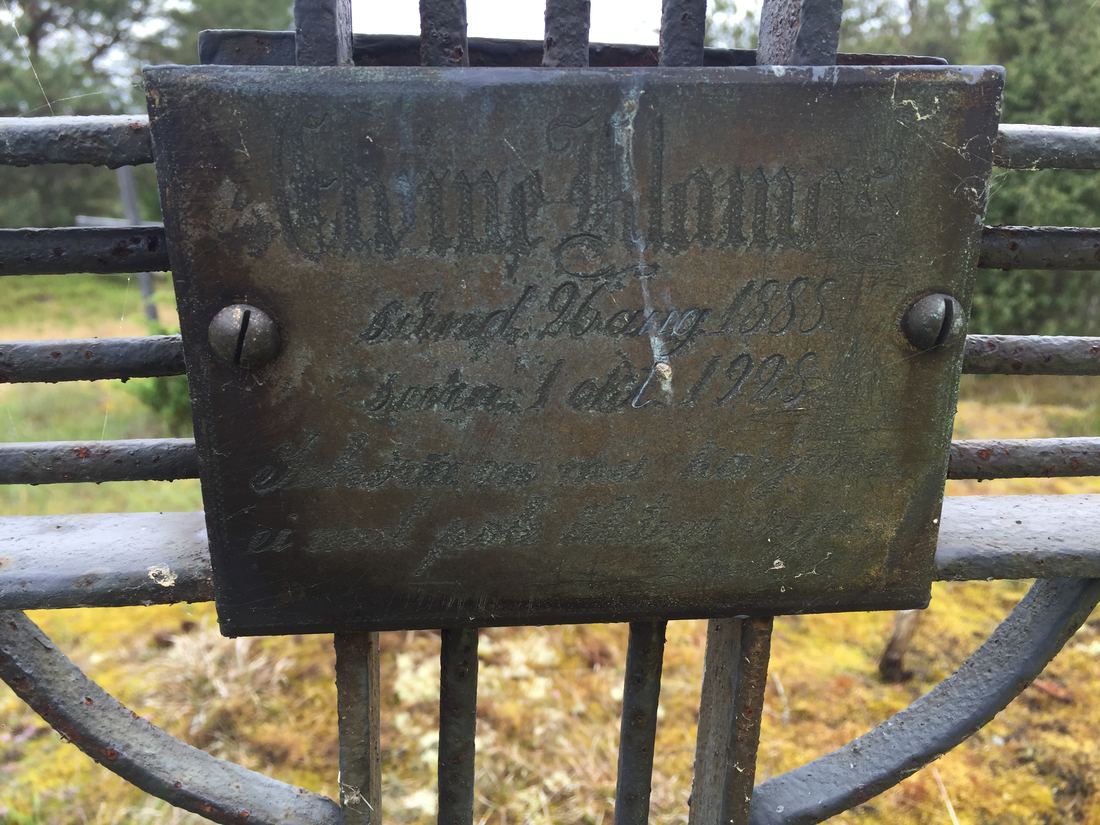
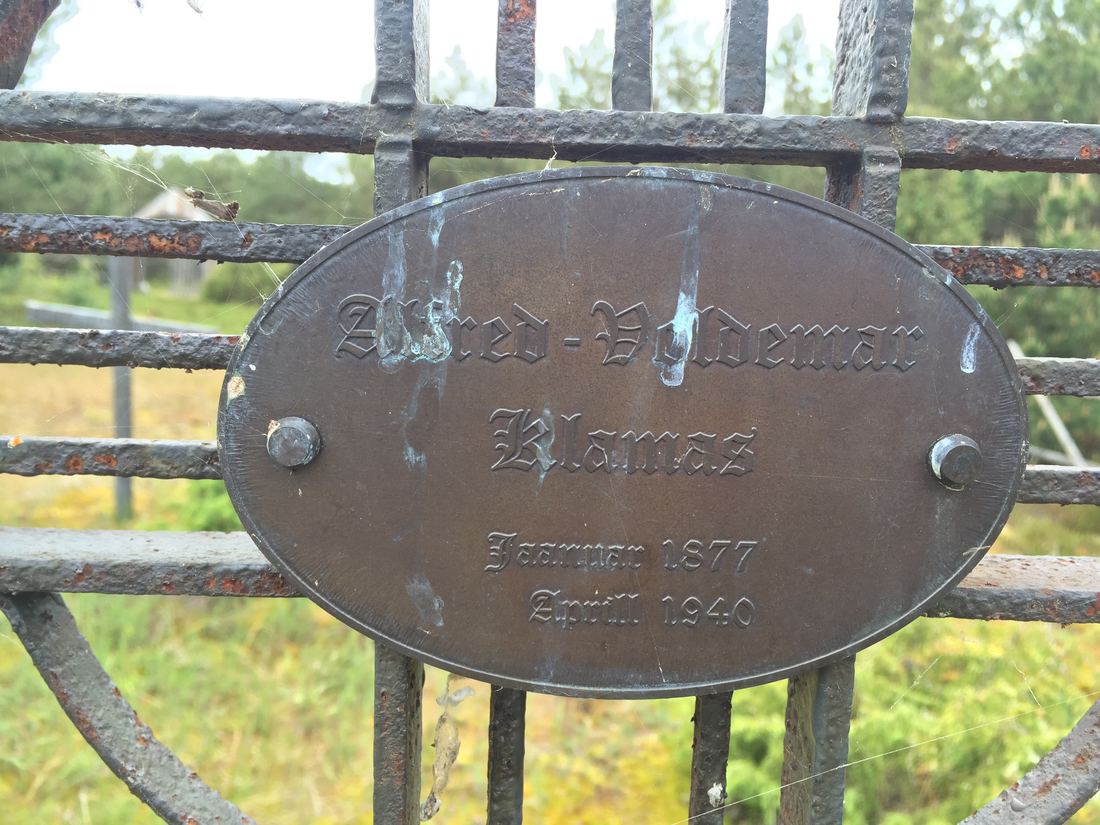
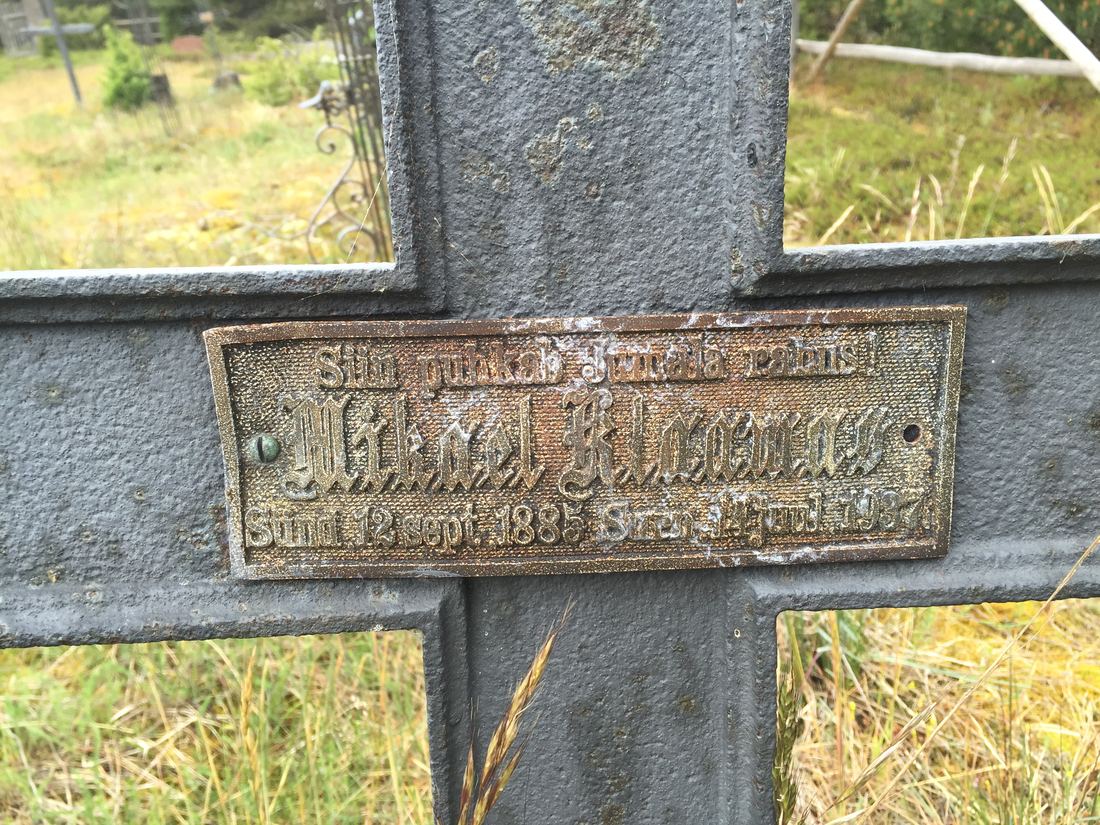
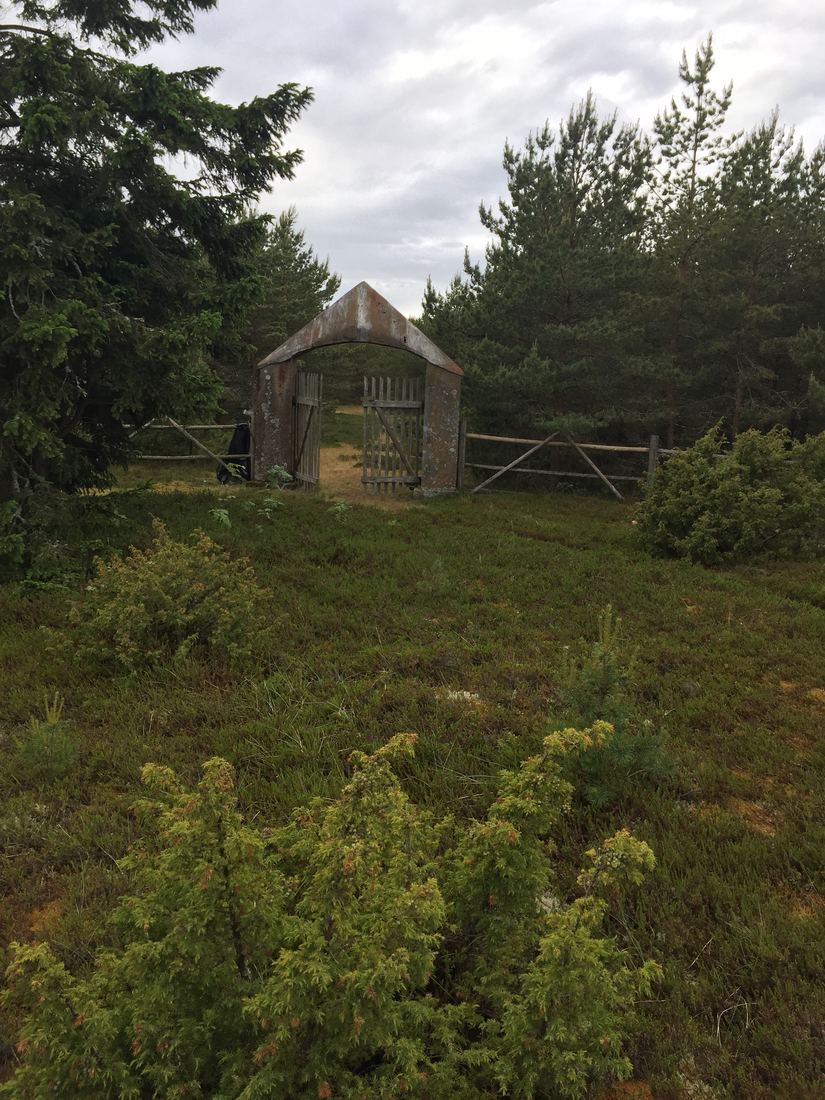
Of the settlement founded by Klaus, only ruins and the crosses of the island cemetery remain today. During the Second World War, most of the inhabitants fled by boat to Sweden — which explains the strong presence of descendants and family trees in that country — and the last ones were forced to leave Rammu by Soviet power in 1952. Among the island's sons, Johannes Klamas (1895–1921), born in Rammu, was decorated with the Cross of Liberty in the Estonian War of Independence.
The family tree of Klaus Klamaspak's descendants was reconstructed from the parish records of Jõelähtme and other Estonian sources. It covers approximately six generations documented on the island of Rammu and the neighbouring islands of Aks and Koipse, up to the nineteenth century.

Family tree of Klaus Klamaspak's descendants — click to enlarge
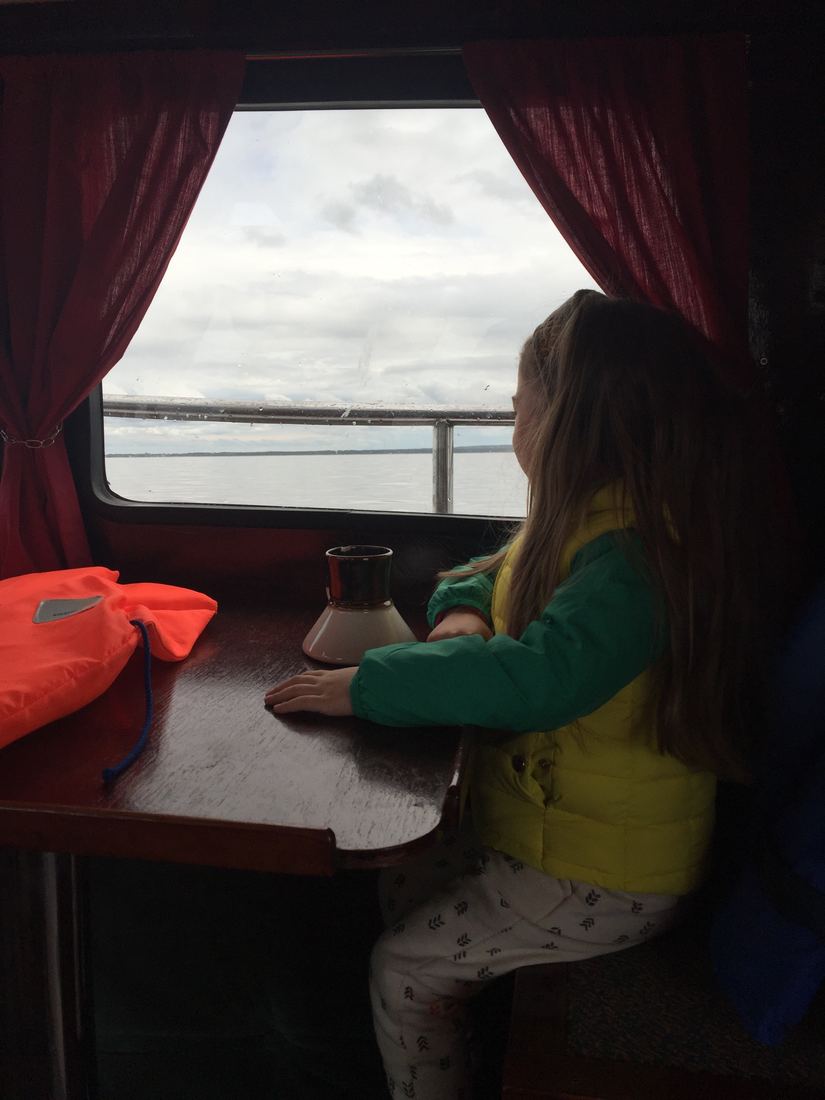
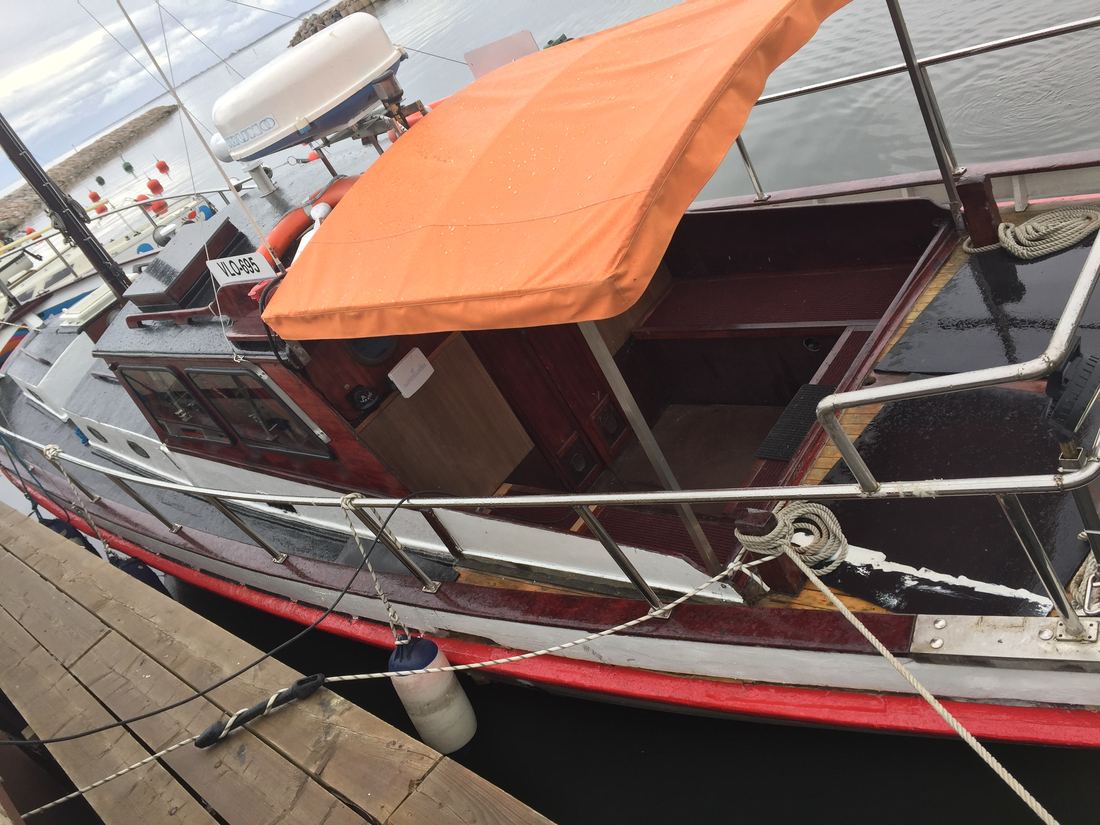
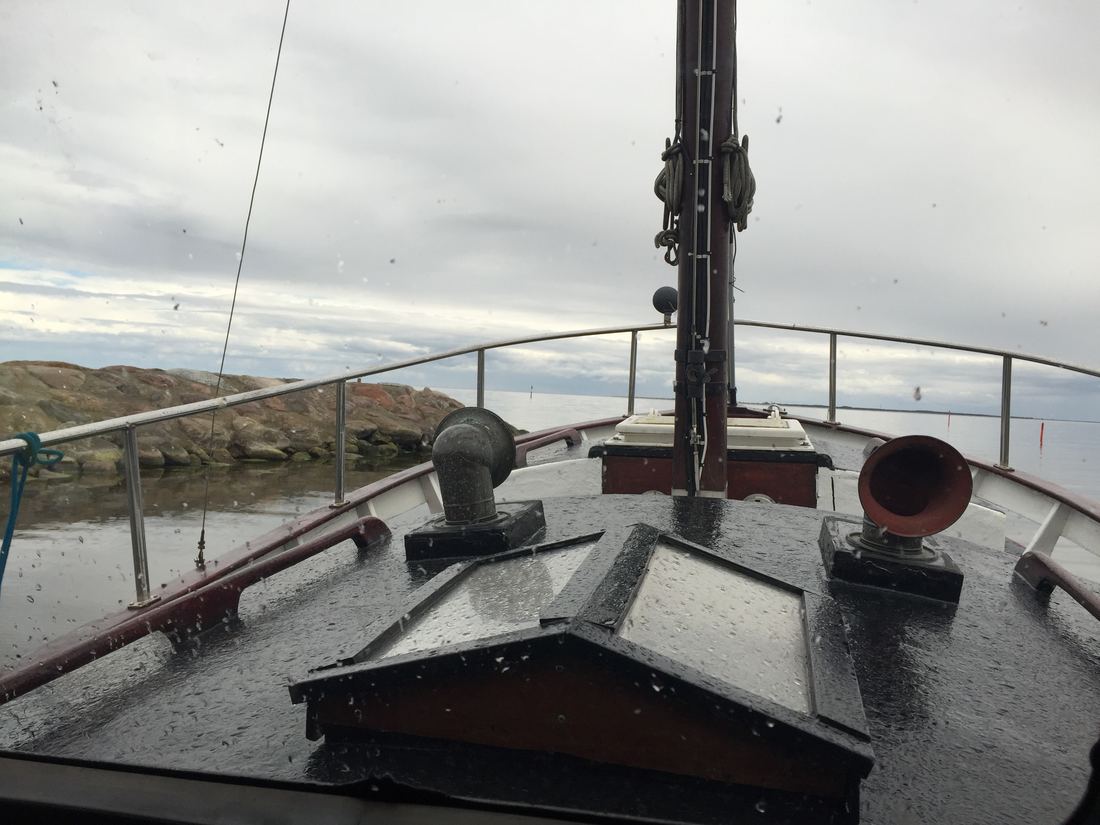
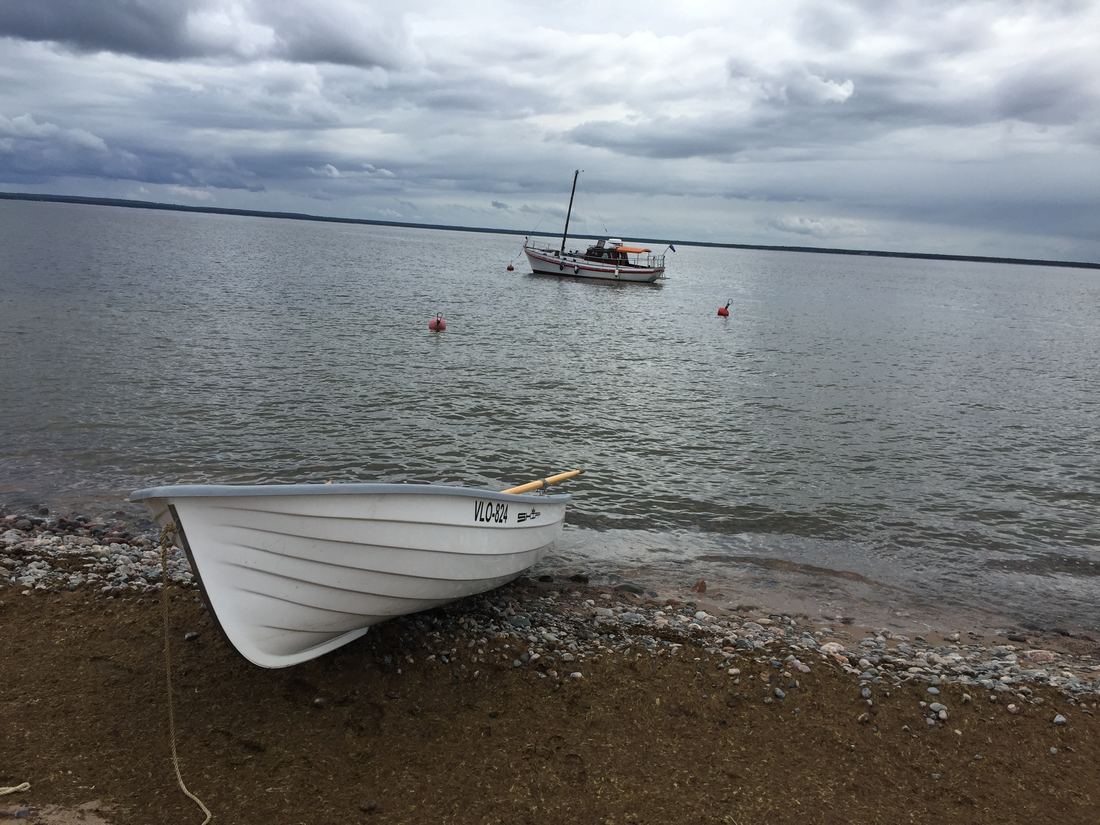
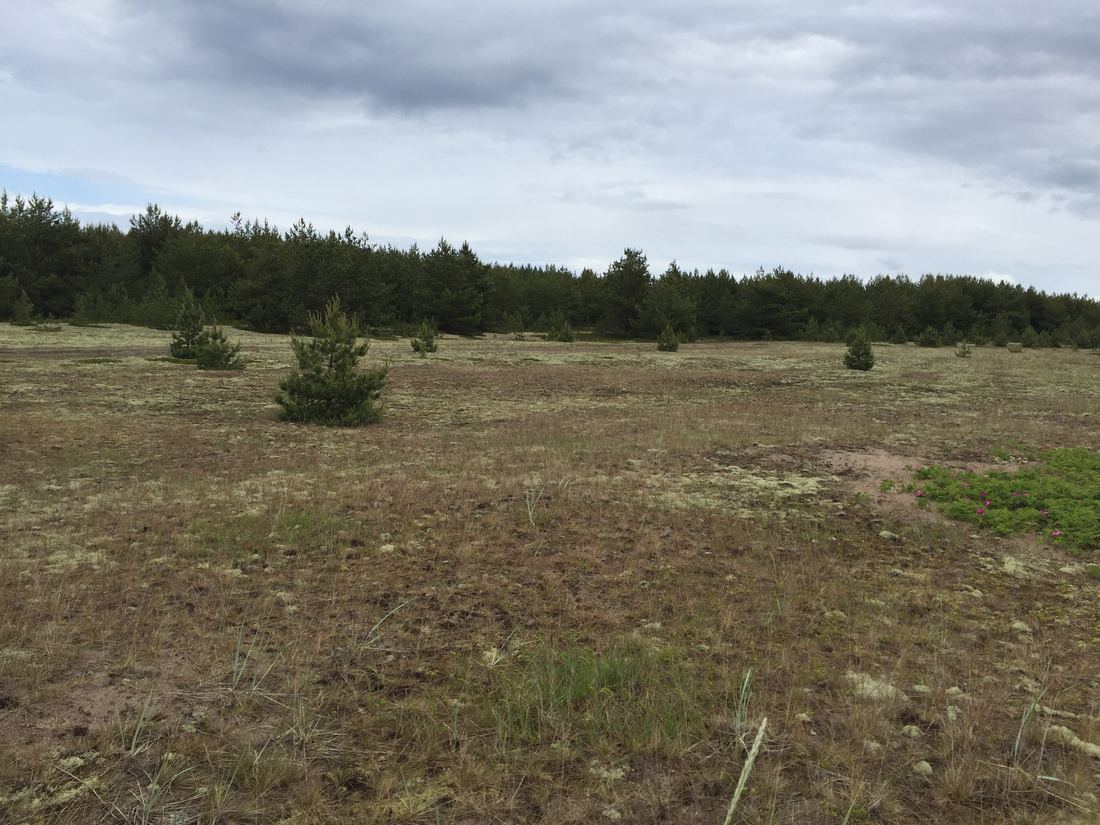
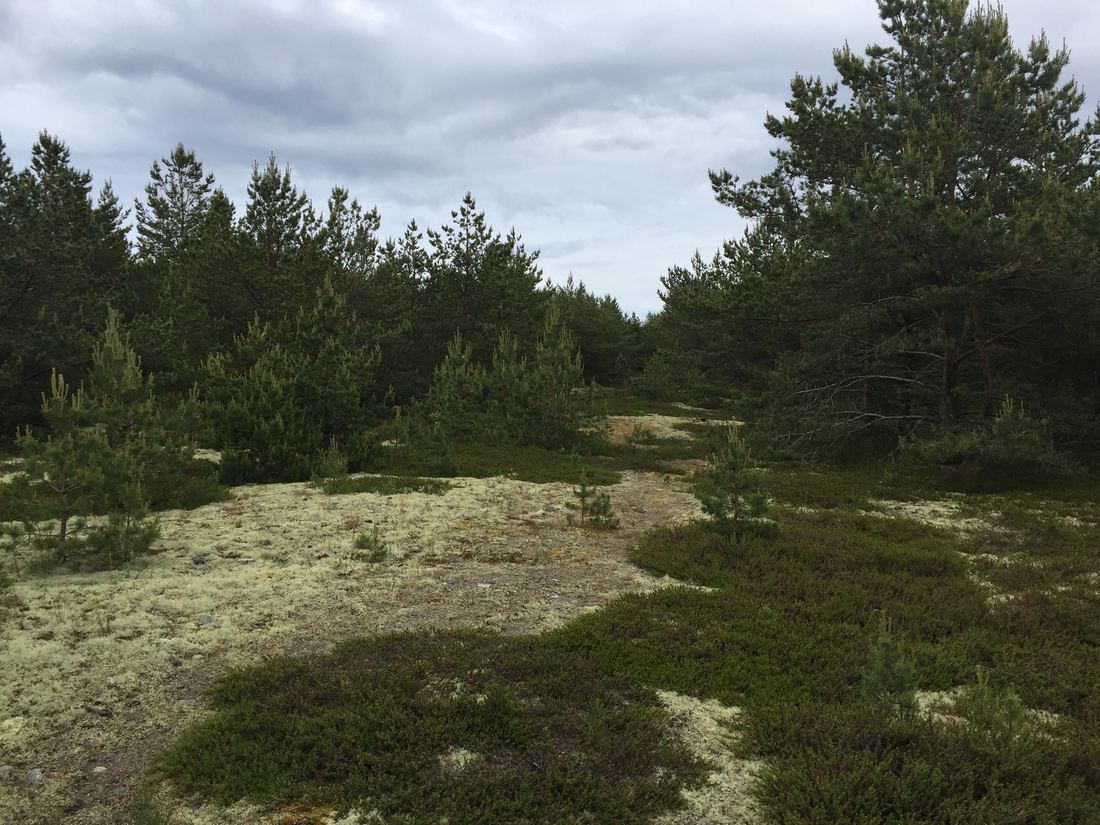
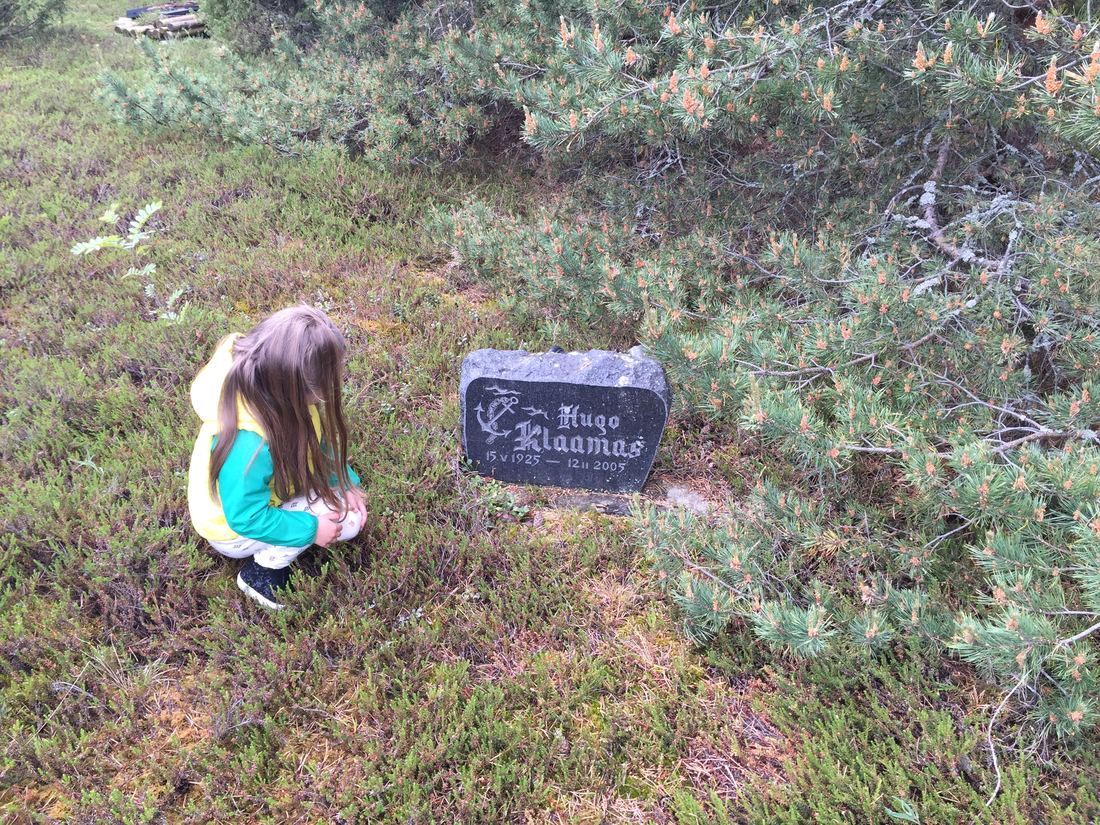
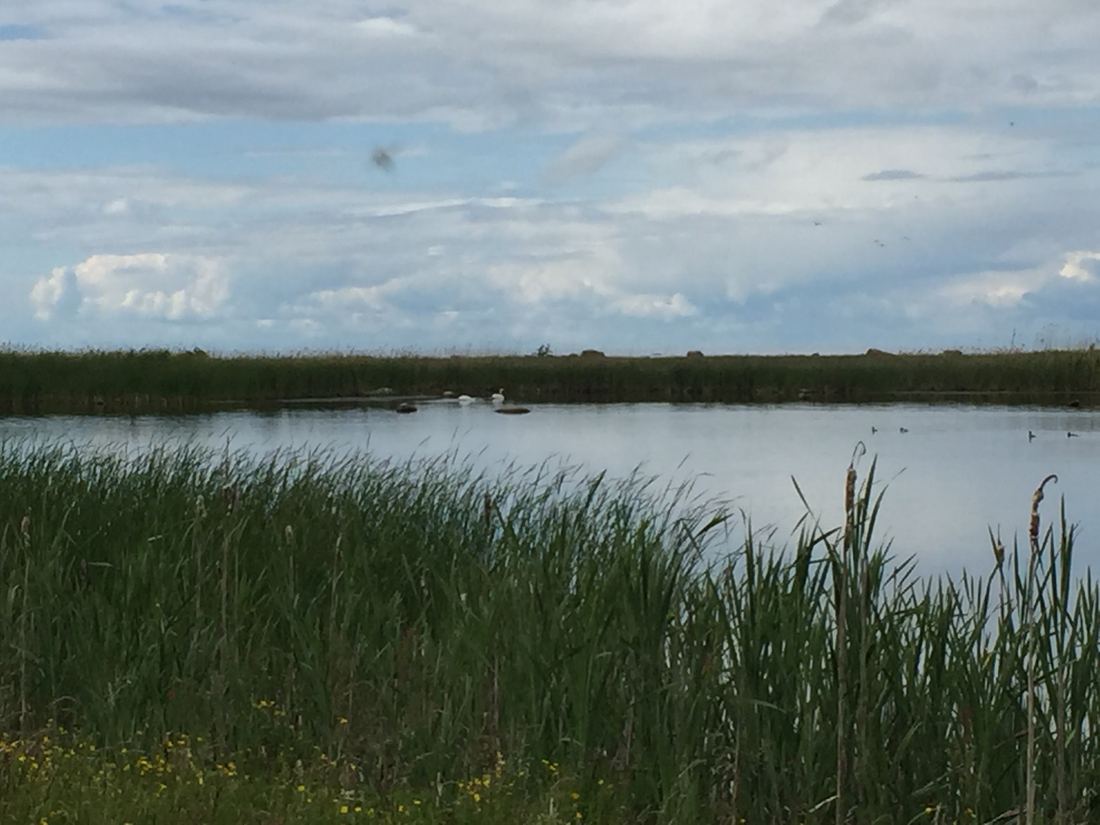
In 2016, Liesl Maud Klamas visited the island of Rammu — the same island where Klaus Klamaspak settled around 1715. The photographs document the landscape, historic buildings and the setting of the Gulf of Finland as it appears today.